Published : 2025-09-19
Recently, a mysterious and rare plant has appeared on the Ailao Mountains in southwest China's Yunnan Province, which looks like a crystal-clear mushroom, requires no sunlight, never photosynthesises. It is said that if touched by hand, it will even instantly turn black and wither...
Its name is ghost plant (Monotropa uniflora), or ghost pipe. It is also a national near-threatened rare plant, which only flowers for several months each year and grows in dark environments. Is this mysterious flower really as magical as the rumours claim?
Is ghost plant a flower or a fungus?
According to common sense, plants must rely on the sun for photosynthesis to grow; however, ghost plant does the opposite, requiring no sunlight and not using photosynthesis. So, what does it rely on to survive?
Although the "蘭" character (means orchid) in its Chinese name "水晶蘭" (means crystal orchid) might make people think this plant is a type of orchid, ghost plant is in fact a leafless, herbaceous, myco-heterotrophic plant.
It has no chlorophyll and therefore does not need to photosynthesise; its growing environment is very similar to that of mushrooms.
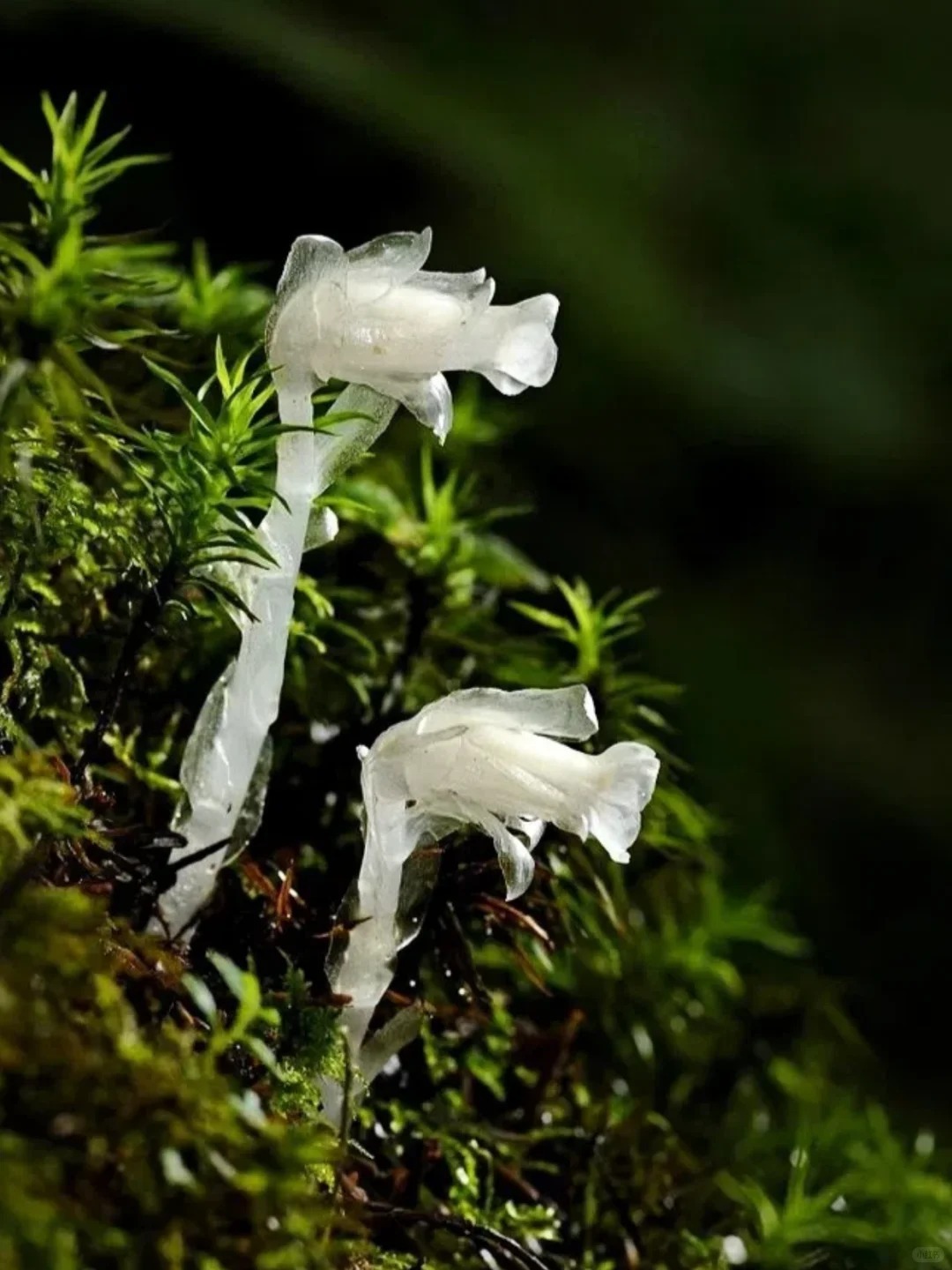
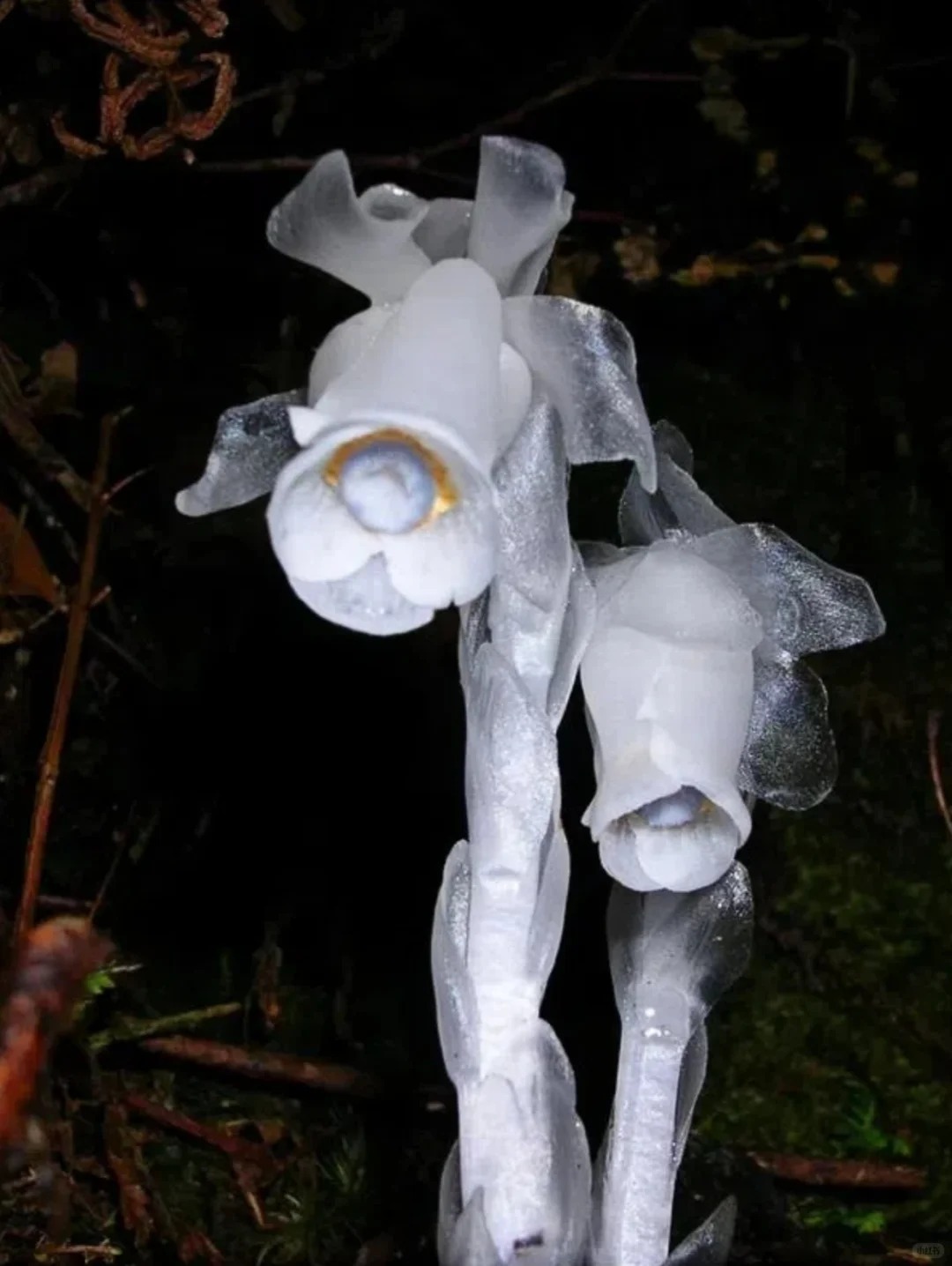
Ghost plant generally grows on the forest floor in zones with an elevation between 800 and 3,200 metres, surviving above ground for just over 40 days each year. It prefers shady, cool, and humid conditions.
Its root system is very small and has no root hairs that can absorb nutrients, so in order to survive, it needs to rely on fungal hyphae (such as Ascomycota and Basidiomycota) to provide nutrients.
During the growth process, the fungus is responsible for absorbing water and indirectly providing nutrients to the ghost plant, while the ghost plant provides nutrients such as organic acids to the fungus, forming a symbiotic relationship.
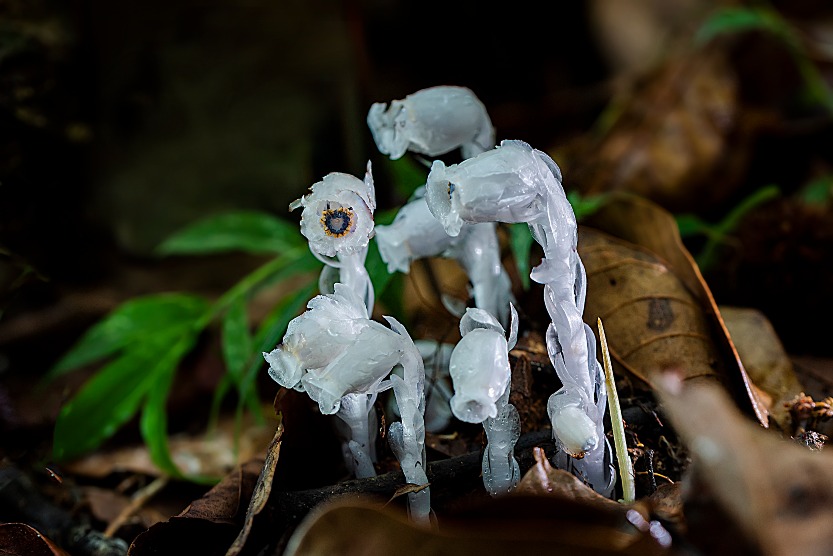
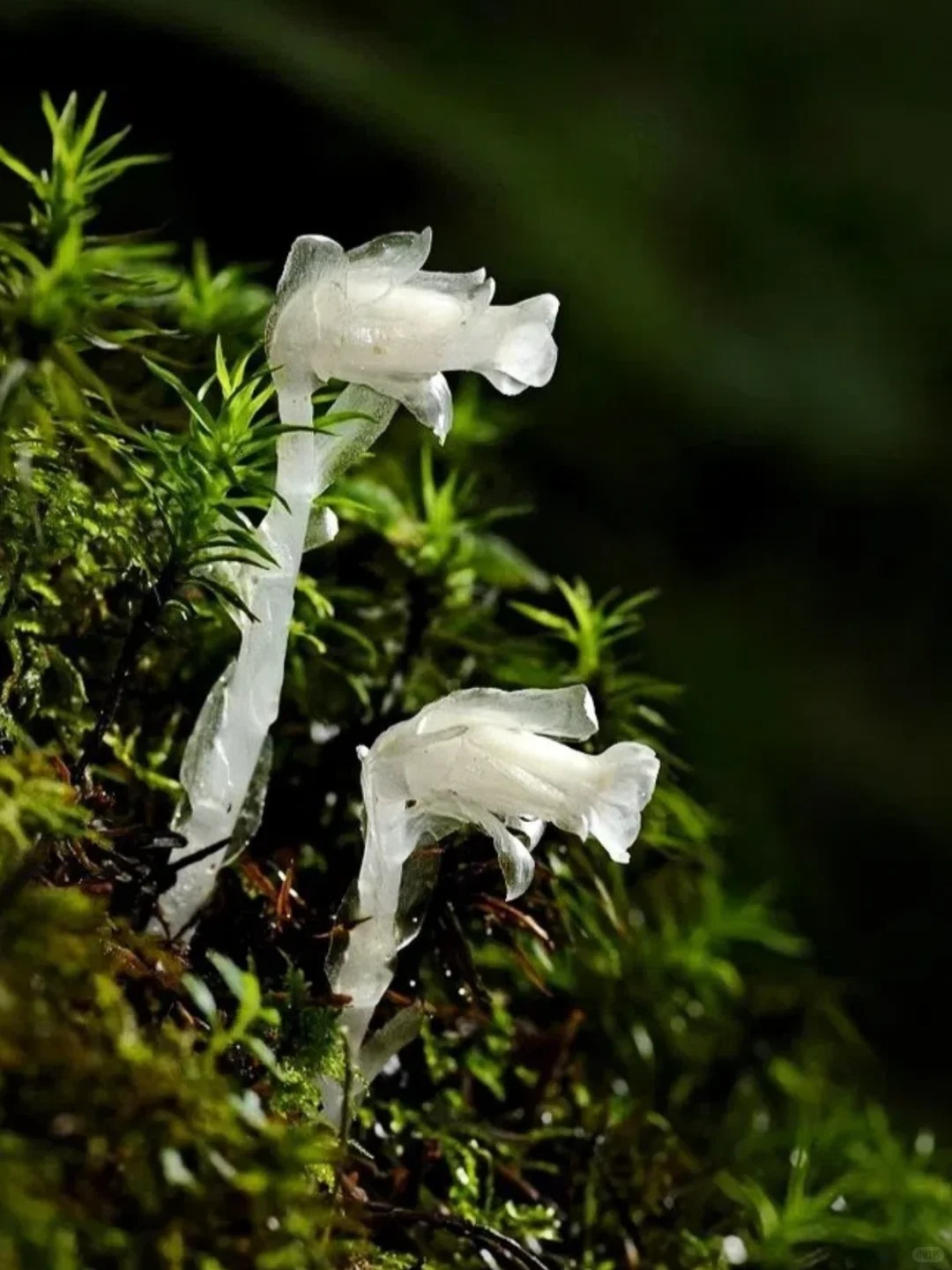
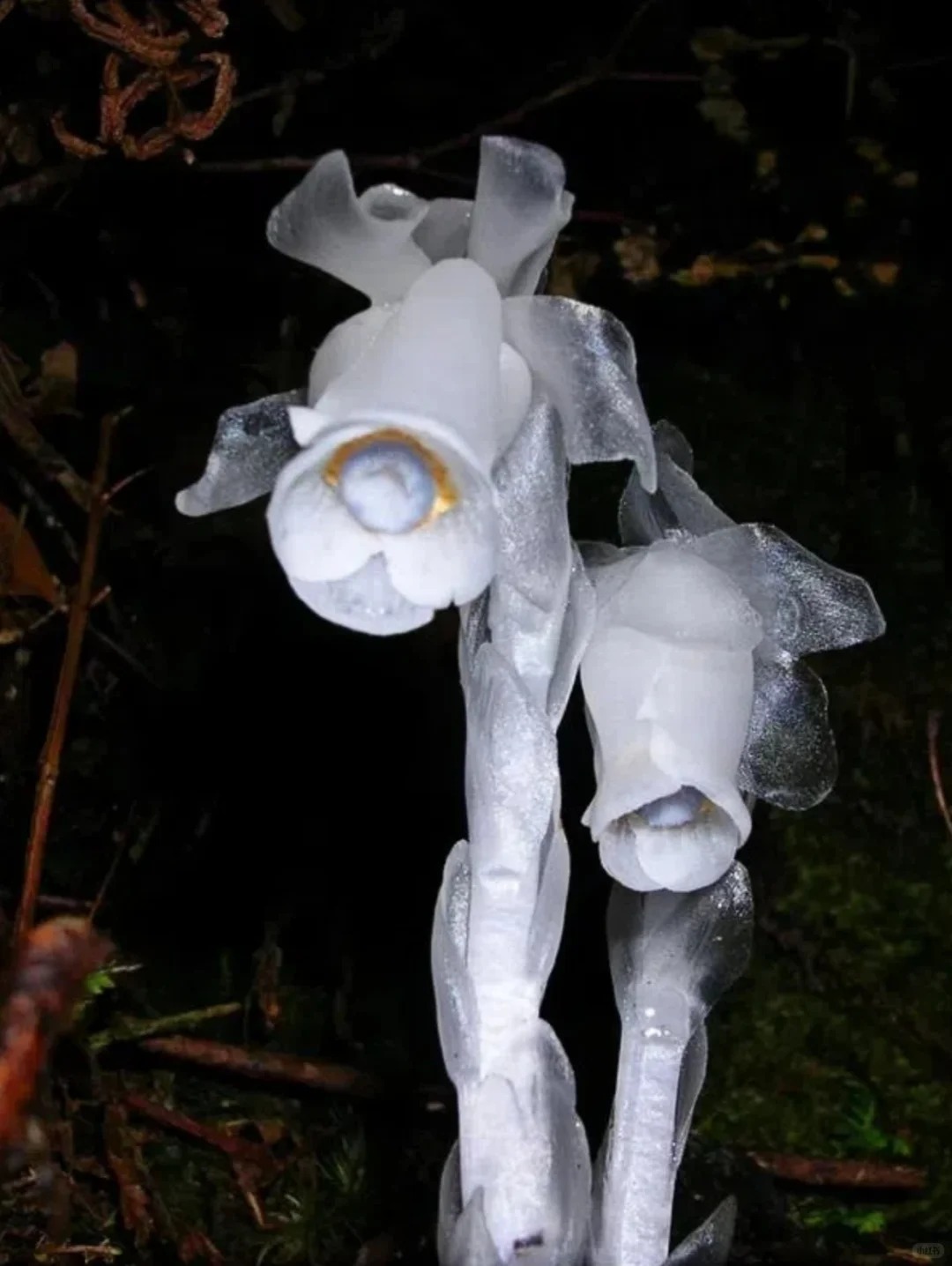
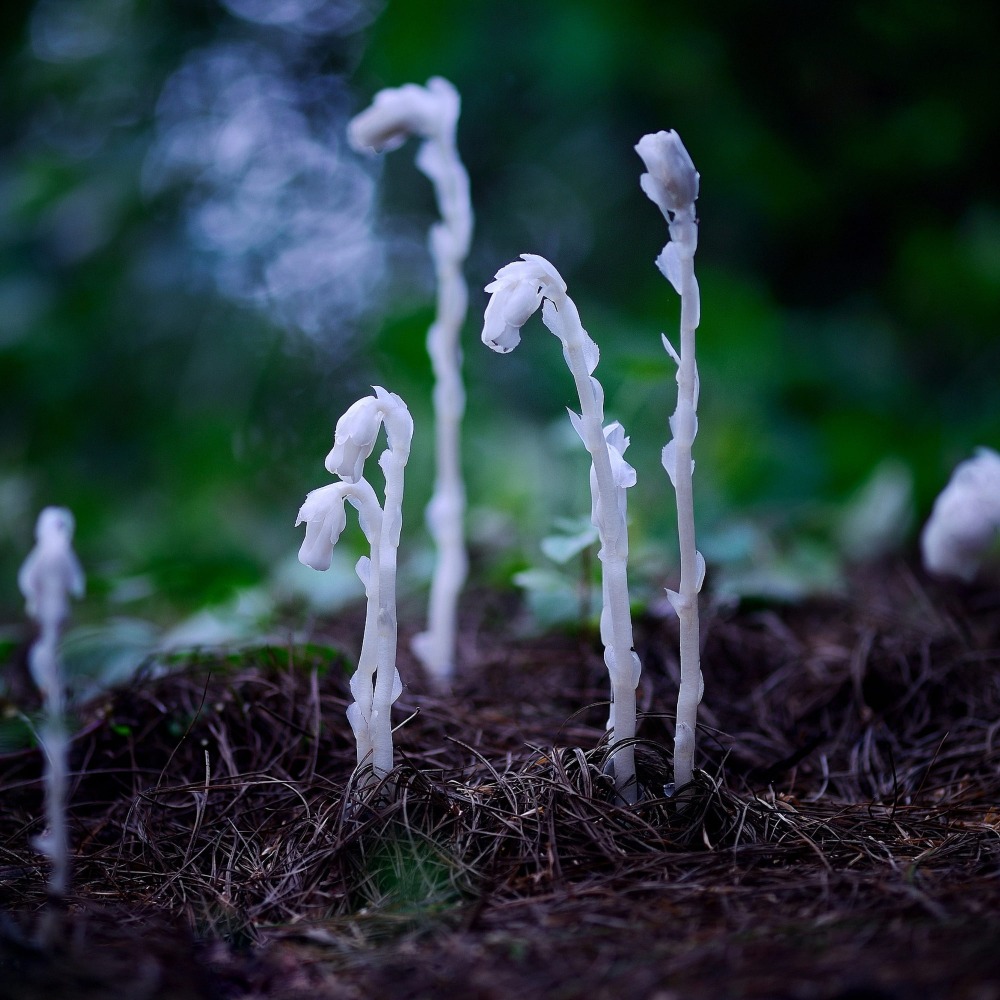
Due to its unique growth characteristics, ghost plant has evolved a highly recognisable appearance. Its entire body is white or translucent; from a distance, it looks like a cluster of pure white coral.
When viewed up close, its stem is straight with a single, drooping flower on top, resembling a white bell. In the dim environment, it seems to emit a faint, hazy glow, appearing mysterious and elegant.
Besides having a dream-like form, the ghost plant's life is also extremely fragile: once touched by an external force, it rapidly oxidises and turns black, and this also disrupts the connection with its symbiotic fungus, leading to the plant's death.
It is precisely these characteristics—growing in darkness and perishing at a touch—that have earned it names full of mystery, such as the "Flower of Death".
Read more: How does China's 1,000-year-old lychee tree survive with only bark?
Can ghost plant also be used as medicine?
However, behind its fragility and mystery, ghost plant is not just a fleeting illusion, but also a good folk remedy, neutral in nature and bland in taste, that can treat chronic coughs due to physical weakness.
Research shows that its whole plant contains effective anti-inflammatory and antibacterial components, such as β-sitosterol, ursolic acid, and various glucosides, confirming its medicinal value.
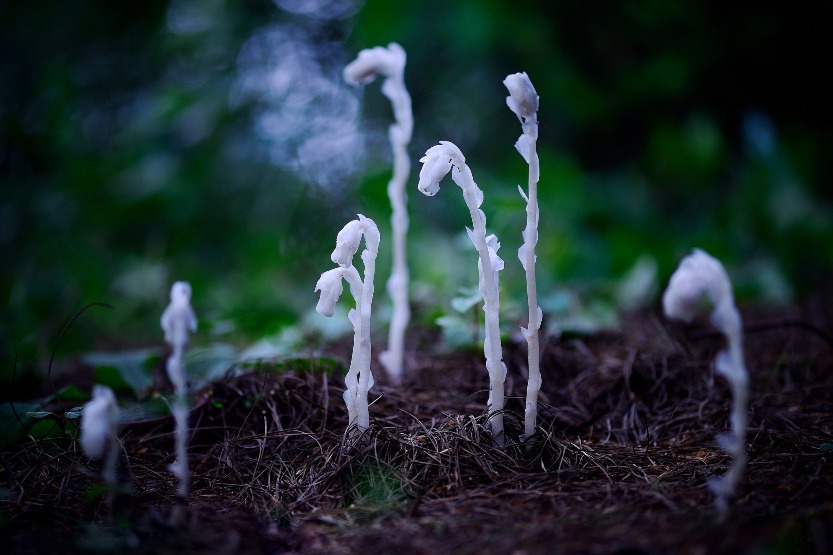
In addition to growing deep in high-altitude forests, the crystal orchid also has extremely strict environmental requirements and can only be sighted in places with excellent ecosystems.
In recent years, as the ecological environment in many parts of China continues to improve, this once hard-to-find mysterious plant has also started to become more common.
For example, in 2022, two ghost plant colonies were discovered in Changning County, Yunnan Province, with a total of over 1,000 plants.
Moreover, within the Lidongshan (利東山) Reserve, they were distributed in patches covering over 100 mu (around 6.67 ha). In the same year, it was also successively discovered in Kaiyuan (開遠) and Tongxin (同心) Town in Yunnan.
And just in July 2025, while an entomologist from Sichuan Province was conducting research in the Ailao Mountains, seven ghost plants were also discovered within the primeval forest area.
These discoveries reflect that China's long-term efforts in ecological and biodiversity conservation have achieved gratifying results.
Read more: Beautiful spider lily blooming in China's early autumn!